
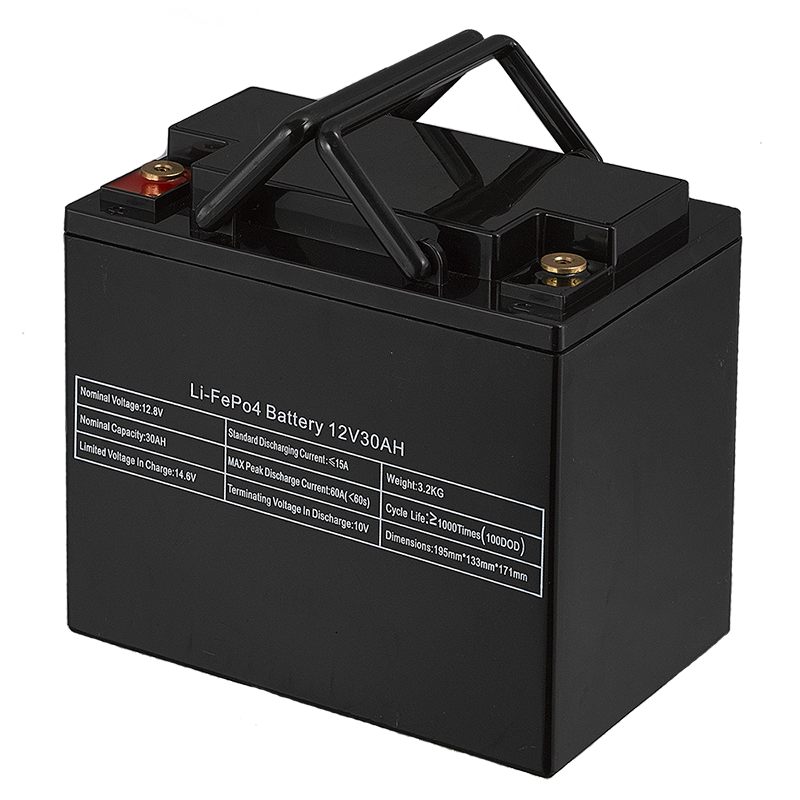
In recent years, the global shift towards renewable energy has accelerated dramatically, driven by increasing environmental awareness, technological advancements, and supportive policies worldwide. A key factor influencing this momentum is the cost of solar panels and batteries, which are critical components for harnessing and storing clean energy. Recent reports indicate notable changes in the prices of these essential products, reflecting developments in manufacturing, supply chains, and market competition.
Solar panels, which convert sunlight into electricity, have become more affordable and efficient over the last decade. The initial high costs that once deterred widespread adoption have steadily declined due to improvements in photovoltaic technology, economies of scale, and enhanced production processes. Meanwhile, energy storage solutions, particularly batteries, have been indispensable in overcoming the intermittent nature of solar power, enabling surplus energy to be stored and used when sunlight is not available.
**Cost Trends in Solar Panels**
According to industry analyses, the average cost of solar panels has decreased by nearly 70% over the past decade. This price decline is primarily attributed to advancements in material science and manufacturing automation, which have increased panel efficiency while reducing production expenses. Moreover, expanding global demand has driven large-scale manufacturing, fostering competitive pricing and innovation.
However, the solar panel market has recently experienced some price fluctuations, influenced by factors such as raw material shortages, geopolitical tensions, and supply chain disruptions. For instance, the availability and cost of silicon—a key raw material for most solar panels—have seen volatility, impacting production costs. Despite these challenges, the overall long-term trend remains downward, encouraging adoption in residential, commercial, and industrial sectors.
**Battery Costs and Their Impact**
The batteries used in solar energy systems, especially lithium-ion batteries, have also seen cost declines, although the dynamics differ slightly from solar panels. Battery prices have dropped by roughly 85% since 2010, as a result of technological breakthroughs, increased electric vehicle production, and broadening applications of energy storage.
These cost reductions have made solar-plus-storage systems more economically viable, enabling consumers and businesses to increase energy independence and resilience. However, ongoing concerns such as raw material supply constraints—particularly for lithium, cobalt, and nickel—pose challenges to sustaining low costs for batteries. Industry watchers note that developing alternative chemistries and recycling technologies are critical strategies to mitigate these risks.
**The Role of Technological Enterprises in New Energy**
Amid these evolving market conditions, companies specializing in new energy technology play a vital role in driving innovation, quality, and affordability of solar panels and batteries. One such company is Yueqing Chushang Technology Co., Ltd., established in 2009. As a leading high-tech enterprise, it specializes in the research and development, production, sales, and service of new energy products.
Yueqing Chushang Technology Co., Ltd. has positioned itself at the forefront of the renewable energy sector by integrating cutting-edge technology with extensive manufacturing expertise. Their commitment to continuous improvement and customer-centric solutions has enabled the company to deliver efficient solar panels and reliable battery systems tailored to diverse market needs.
The company’s focus on research and development ensures that their products stay competitive in quality and cost. By investing in innovative materials and design optimizations, Yueqing Chushang Technology Co., Ltd. contributes to lowering the overall cost of clean energy deployment. Additionally, their comprehensive service offerings—from sales to after-sales support—enhance user experience and system performance, thus fostering greater adoption of renewable energy solutions.
**Market Outlook and Future Prospects**
Looking forward, the solar and battery industries are expected to continue their growth trajectory, propelled by ongoing technological innovation, governmental incentives, and societal demand for sustainable energy. Further cost reductions are anticipated as new manufacturing techniques emerge and supply chains stabilize.
Companies like Yueqing Chushang Technology Co., Ltd. will likely remain instrumental in this evolution. Their integrated approach across the product lifecycle enables them to adapt swiftly to market trends and customer requirements. Innovations such as improved panel efficiency, advanced battery chemistries, and smart energy management systems are on the horizon, promising to enhance the performance and affordability of renewable energy systems even further.
Moreover, global efforts to meet carbon neutrality goals are expected to drive policy frameworks that support large-scale deployment of solar and storage systems. This will create opportunities for continued price competitiveness and accessibility, making clean energy solutions more attainable worldwide.
**Conclusion**
The shifting costs of solar panels and batteries underscore the dynamic nature of the renewable energy market. While challenges related to raw materials and supply chains exist, the overall trend toward affordability and efficiency remains clear. With strong support from innovative companies like Yueqing Chushang Technology Co., Ltd., the future of solar energy looks brighter than ever.
Their dedication to technological advancement and customer service exemplifies how industry leaders can contribute to a sustainable energy future. As costs continue to decline and technologies advance, solar power and energy storage are becoming integral components of global energy infrastructure, paving the way for cleaner, greener, and more resilient power systems worldwide.