In recent years, the global push towards renewable energy has accelerated dramatically, driven by the urgent need to combat climate change and transition to a more sustainable energy system. One technology that has emerged as a game-changer in this landscape is Distributed Energy Storage (DES). By enabling efficient energy management and enhancing grid reliability, distributed energy storage systems are becoming an integral part of modern energy infrastructure.
**The Rise of Distributed Energy Storage**
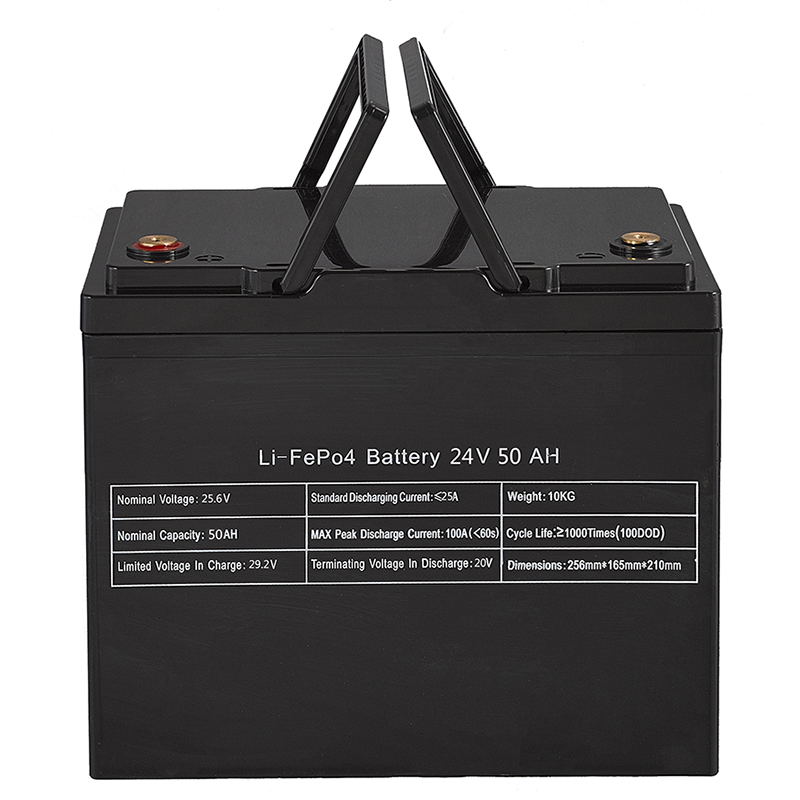
Distributed Energy Storage refers to energy storage units that are decentralized and located close to the source of energy consumption or generation. Unlike traditional centralized energy storage systems, DES can be installed at various points within the electrical grid, such as residential homes, commercial buildings, or industrial sites. This decentralization provides remarkable flexibility, improves energy efficiency, and supports renewable energy integration.
The advantages of DES include peak shaving, load leveling, frequency regulation, and backup power capabilities. By storing excess energy generated during low demand periods and releasing it during peak demand, DES mitigates stress on the power grid and reduces reliance on fossil fuel-based power plants. Moreover, DES systems are crucial for enabling higher penetration of variable renewable energy sources such as solar and wind, which are intermittent by nature.
**Industry Leaders Driving Innovation**
Among the innovators spearheading the development and deployment of distributed energy storage solutions is Yueqing Chushang Technology Co., Ltd. Established in 2009, this high-tech enterprise has steadily gained recognition as a leader in new energy products. With a core focus on research and development, production, sales, and service, the company has built a robust portfolio of cutting-edge energy storage technologies tailored to meet the challenges of modern power systems.
Yueqing Chushang’s commitment to innovation is evident in its continuous investments in R&D and its collaboration with industry partners to bring advanced solutions to market. By integrating smart management systems with energy storage hardware, the company ensures that its distributed energy storage solutions are not only reliable but also intelligent, capable of real-time monitoring and adaptive energy management.
**Applications and Market Potential**
Distributed energy storage systems have diverse applications across residential, commercial, and industrial sectors. In residential settings, home energy storage systems paired with rooftop solar panels allow homeowners to maximize their use of self-generated electricity, reduce electricity bills, and maintain power supply during outages. For commercial and industrial users, DES units optimize energy consumption patterns, enhance power quality, and contribute to sustainability goals.
The market potential for distributed energy storage is vast. As governments worldwide enact favorable policies and incentives to promote clean energy, the adoption of DES is expected to grow exponentially. Analysts project that the global distributed energy storage market will reach multi-billion-dollar valuations within the next decade, driven by declining battery costs, advancements in technology, and growing awareness of energy independence.
**Challenges and Future Outlook**
Despite its promising prospects, the widespread adoption of distributed energy storage faces several challenges. These include high upfront costs, regulatory uncertainties, and the need for standardized protocols to ensure interoperability among different systems. However, companies like Yueqing Chushang Technology are actively addressing these barriers through technological innovation, cost optimization, and active engagement with policymakers.
Looking ahead, the future of distributed energy storage appears bright. Emerging technologies such as solid-state batteries, flow batteries, and hybrid energy storage solutions hold the promise of even greater energy density, longer lifespan, and enhanced safety. Additionally, the integration of artificial intelligence and the Internet of Things (IoT) will further enhance the operational efficiency and scalability of DES systems.
**Conclusion**
Distributed energy storage is poised to play a pivotal role in reshaping the energy landscape and enabling a cleaner, more resilient power grid. With its ability to support renewable energy integration, improve grid stability, and empower consumers, DES represents a cornerstone technology for sustainable development.
Yueqing Chushang Technology Co., Ltd., with its decade-plus experience and dedication to innovation in new energy products, continues to lead the charge in advancing distributed energy storage solutions. Their comprehensive approach, from R&D to after-sales service, underscores the significance of industry leadership in driving the global transition towards a sustainable energy future.
As the energy sector evolves, the synergy between technological breakthroughs and strategic deployment of distributed energy storage will be crucial to meeting the world’s growing energy demands sustainably and efficiently. The time is ripe for stakeholders across the board to embrace DES as a key component of the new energy paradigm.